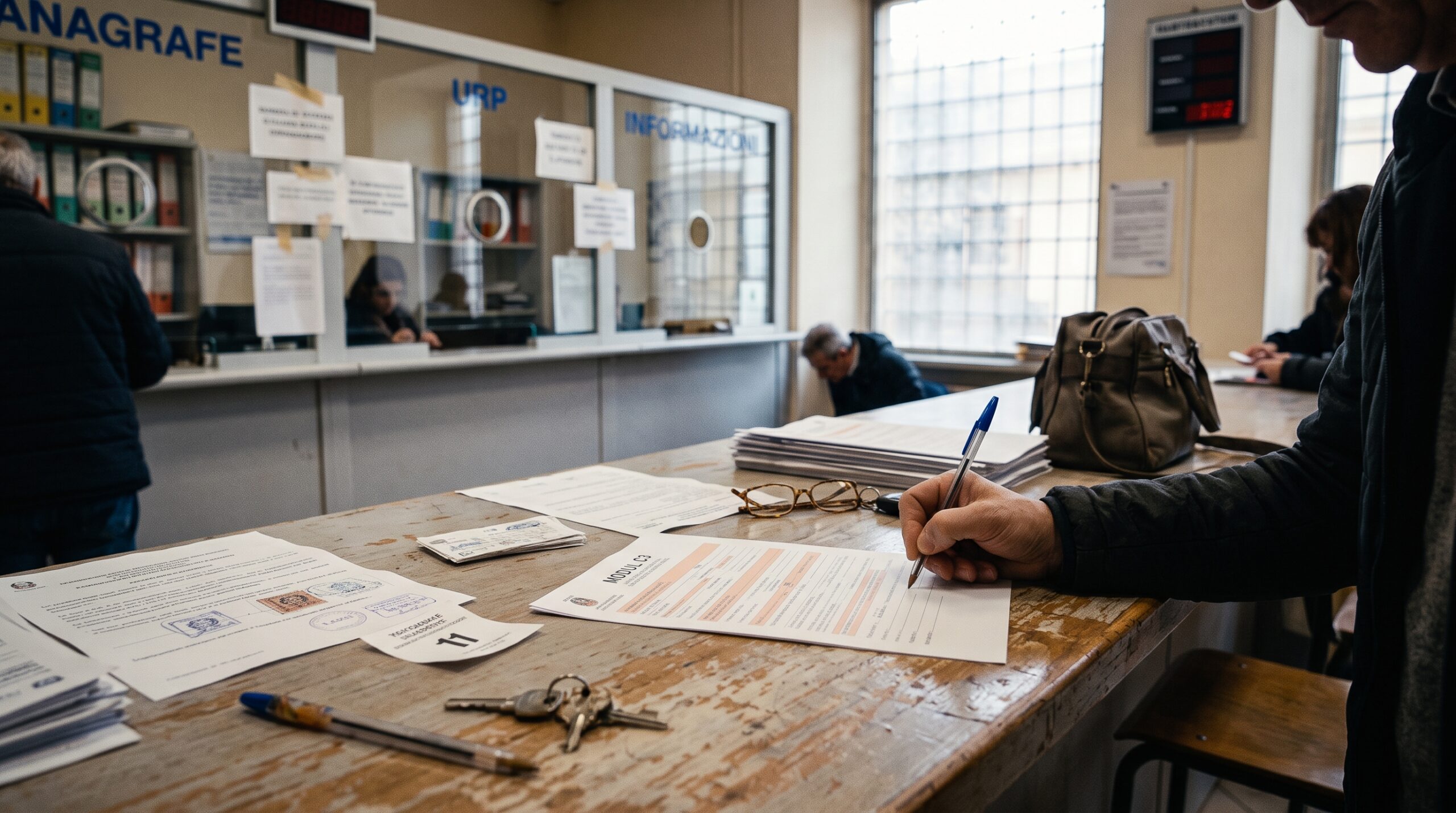
The C3 form is the document used by the police to formally register an application for international protection in Italy. It is not a decision on the application and it does not replace the later interview with the Territorial Commission.
Where does the procedure begin?
You can state that you want to apply for international protection to the Border Police when you arrive in Italy or to the Immigration Office of the Questura. The police identify you, take the required photograph and fingerprints, and register the application.
What happens during the C3 interview?
An officer records information about your identity, personal and family circumstances, places where you have lived, journey to Italy and reasons for leaving your country. You will also be asked what you fear could happen if you return.
You may provide your passport, if you have it, and other useful evidence such as a written statement, medical certificates, photographs or documents connected to your story. If you do not understand a question, ask for it to be explained.
You have the right to an interpreter
You have the right to the assistance of an interpreter in a language you understand while the C3 is completed. You must not be charged for this service. Before signing, ask to read the record or have it translated back to you and report any mistakes.
What information is included?
The form usually covers:
- personal details, nationality and available identity documents;
- family, education, work and language information;
- travel route and previous stays;
- reasons for leaving and feared risks if returned;
- your address and contact details in Italy.
Give an account that is as complete and accurate as possible. If you do not remember an exact date, say so rather than guessing.
What happens after you sign?
You, the police officer and the interpreter sign the form. You have the right to receive a copy of the signed C3 and the documents you submitted. The Questura issues the documentation proving your position as an applicant and manages the asylum-seeker residence permit under the applicable procedure.
The Territorial Commission then examines the application and calls you for a personal interview. Always report a change of address: missing an official appointment can have serious consequences.
If the procedure is still pending, you can generally work 60 days after submitting the application, provided that the delay is not your fault. Access to reception and other services depends on your circumstances and the applicable rules.
Remember
- Do not sign before you understand the content.
- Keep the C3 copy and all receipts safe.
- Seek qualified legal help promptly if important information is missing or you find errors.
For more information, read the Ministry of the Interior’s official practical guide for applicants for international protection.