Important numbers
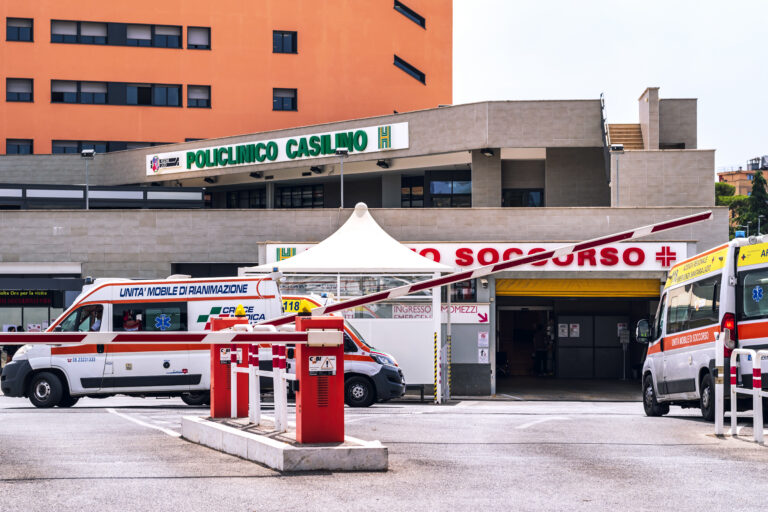
- 112 – single European emergency number.
- 118 – medical emergencies and ambulances.
- 800 44 00 22 – Rome’s Social Operations Centre, available 24 hours a day for people who need somewhere to sleep, immediate help, protection from the cold or support while living on the street.
What to do when you arrive in Rome
- Find a safe place, such as a canteen, listening centre or other open service.
- If you are sleeping on the street or have an urgent need, call 800 44 00 22 immediately.
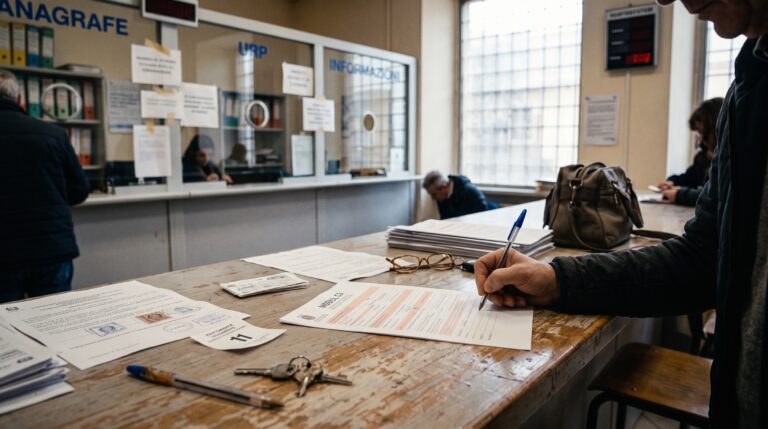
- Start the procedures for your documents: residence permit, registered residence and health card.
Applying for asylum (international protection)
The Immigration Office of the Rome Questura is at Via Teofilo Patini 23.
- Go there and state that you want to apply for international protection.
- Complete the C3 form with an officer.
- You receive an asylum-seeker residence permit, valid for six months and renewable.
- When you are called to the Territorial Commission, take photos, evidence supporting your story and any language certificates, employment contract and residence certificate you may have.
- Your fingerprints and photograph will be taken.
- At the end of the procedure, a residence permit is issued.
Registered residence, even without a home: Via Modesta Valenti
Registered residence is needed to obtain an identity card and health card, enrol in school and access social services. Go to the Municipio for the area where you live, even if you live on the street, and ask for “residenza per senza dimora – Via Modesta Valenti”. If you live in a home or are hosted by a facility, ask to register your residence at the facility’s address.
Useful documents
- Electronic identity card (CIE): you need registered residence, a codice fiscale, a photograph and a residence permit or C3 receipt.
- Codice fiscale: request it from the Agenzia delle Entrate; it may also be issued with the C3.
- SPID: useful for many services and available through Poste Italiane or another online identity provider.
Health card and medical care
- INMP, Via San Gallicano 25/a: free medical visits and assistance.
- ASL registration: with an asylum-seeker residence permit or registered residence, including a no-fixed-address registration, you can receive a health card.
Canteens and places offering free food
- Caritas daytime canteen, Via delle Sette Sale 30/b.
- Caritas evening canteen, Via Marsala 109.
- Centro Astalli service for refugees, Via degli Astalli 14/a.
- Comunità di Sant’Egidio meal distribution, Via Dandolo 10.
Shelters and accommodation
- Caritas “Don Luigi Di Liegro” hostel, Via Marsala 109: access through the Caritas Listening Centres.
- Cittadella della Carità “Santa Giacinta”, Via del Santuario 10: access through the Caritas Listening Centres.
- Opera Don Calabria, for men, Via Soria 13: access through the Social Operations Centre.
- Missionaries of Charity – Casa Serena, for men over 50, Via S. Agapito 8: an admission interview is required.
- Binario 95 Help Center, Via Marsala 95: daytime reception, social guidance, showers, luggage storage and winter beds. For a bed, contact the Social Operations Centre on 800 44 00 22.
Free toilets and showers
You can contact the various Caritas centres, Sant’Egidio’s personal hygiene services, municipal shelters and Binario 95.
Guidance and support
Caritas Listening Centres, Sant’Egidio, Intersos, MEDU (Doctors for Human Rights), the Red Cross Street Unit, Binario 95, Centro Astalli and SUAM offer guidance or support.
Free Italian classes
You can look for courses at Caritas, the Comunità di Sant’Egidio language schools, Centro Astalli, CPIA public schools for adults, parishes and local associations.
Transport in Rome
The network includes Metro lines A, B and C, as well as ATAC buses and trams. A 100-minute ticket costs 1.50 euros. Monthly and annual passes are available, and reduced fares may be offered on the basis of ISEE or in particular circumstances.