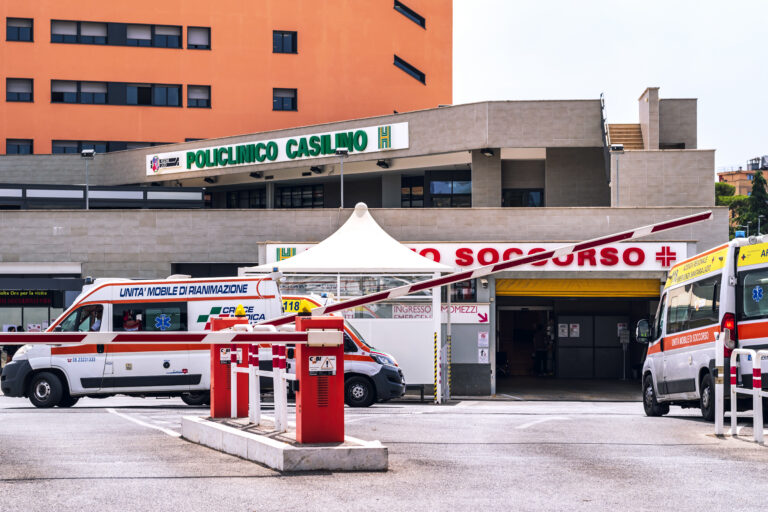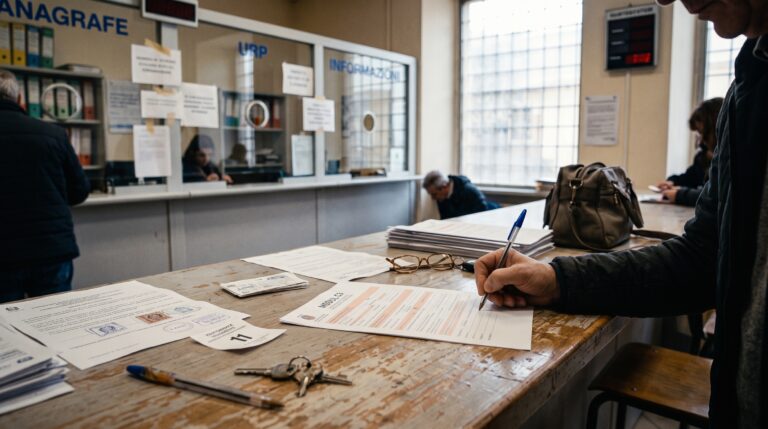
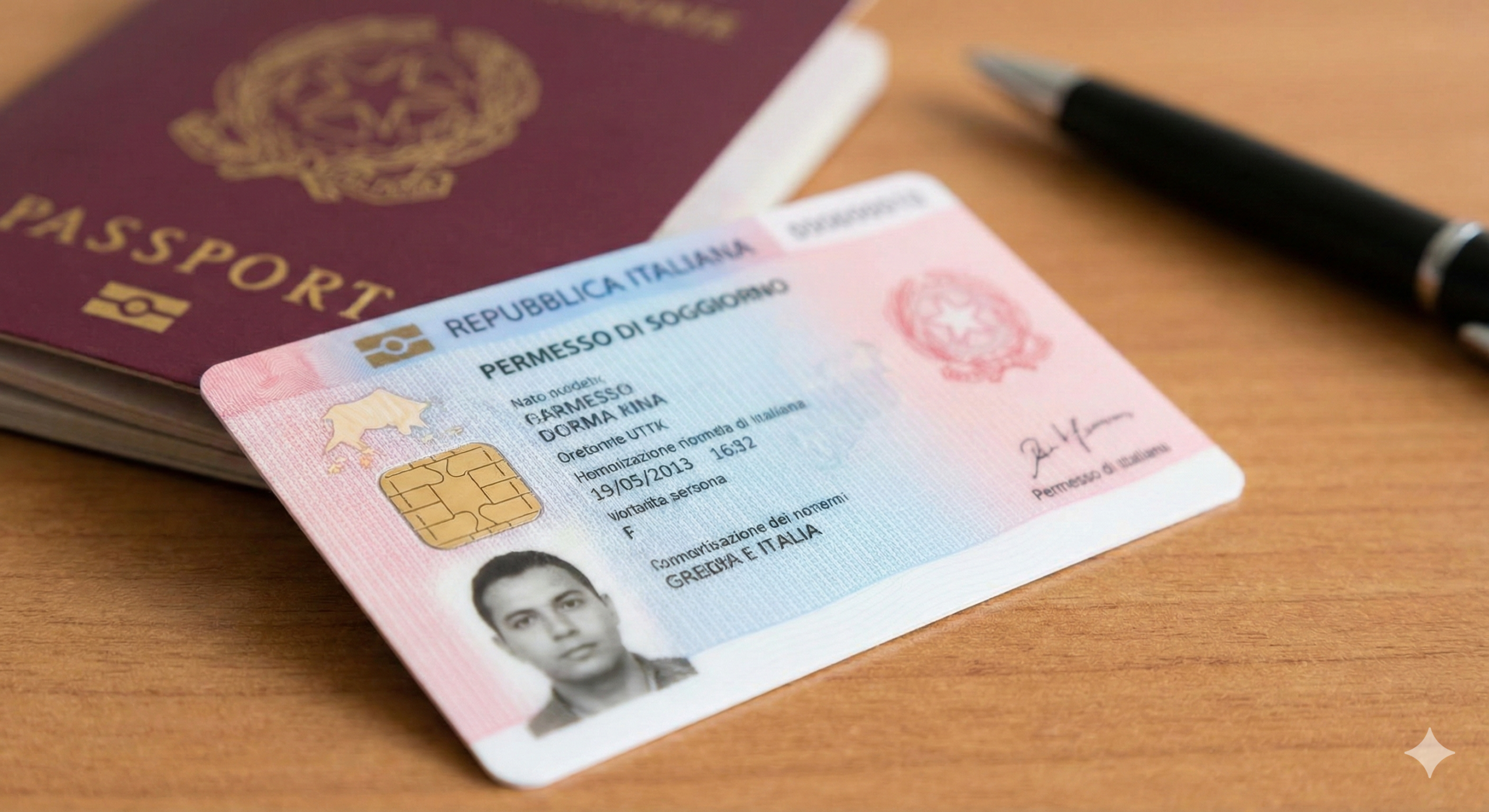
Welcome to the beginning of your journey in Italy! Whether you are here seeking protection or pursuing your education, the first thing you’ll hear about is the Permesso di Soggiorno (Residence Permit). It can feel like a lot of paperwork at first, but think of it as your “Golden Ticket”—it is the official document that proves you have the legal right to stay, work, and build a life here.
Here is everything you need to know to navigate the process like a pro.
1. Which Permit Fits Your Situation?
Italy offers different types of permits depending on why you are here. Understanding which one you have (or are applying for) is the first step:
- For Asylum Seekers: If you have just arrived and are seeking protection, you will start with the Permesso per Richiesta Asilo. This is valid for 6 months and can be renewed until your final decision is made.
- For Refugees: If you are officially recognized as a refugee, you get the Permesso per Asilo Politico. This is a strong permit valid for 5 years and is renewable.
- For Subsidiary Protection: If you don’t qualify as a refugee but it is still unsafe for you to go home (due to war or violence), you may receive Protezione Sussidiaria. Like the refugee permit, this is also valid for 5 years.
- For Students: If you are here for university or a training course, you will hold a Permesso per Motivi di Studio. This usually lasts for the duration of your course but is capped at 1 year at a time, meaning you’ll need to renew it annually.
2. The Standard Procedures: How to Get It
The process usually involves a few key steps that require a bit of patience.
The Application If you are seeking asylum, the process begins the moment you register your C3 form. If you are in a center or camp, the managers there will typically help you. If you are a student, you must act fast—you are required to apply for your permit within 8 days of arriving in Italy by sending a “postal kit” from a local post office.
The Questura Appointment Regardless of your permit type, you will eventually be summoned to the Questura (the immigration office). This is where they take your fingerprints. It is a standard procedure for everyone. For students, remember to bring your passport, your proof of enrollment, and your insurance documents.
The Wait Italy is known for its beauty, but not always for its speed. While guidelines suggest a 1-year wait for international protection decisions, it can often take up to 2 years to receive your final plastic permit. For asylum seekers, the initial permit usually arrives within a month or so.
3. Your Rights and Responsibilities
Holding a residence permit isn’t just about “staying”—it unlocks your rights in Italian society:
- Working: Asylum seekers can start working 2 months after their C3 form is registered. Students can work part-time (up to 20 hours a week). Refugees and those with subsidiary protection have the same working rights as Italian citizens.
- Healthcare: You have the right to access the Italian healthcare system (SSN). While it is free for protection seekers, students usually pay a small annual fee for voluntary registration.
- Identification: With your permit, you can register at the local town hall (Comune) to get your official Italian ID card (Carta d’Identità).
4. Words of Caution
There are a few “golden rules” to keep your status safe:
- Don’t Travel Back Home: If you have a refugee or protection permit, traveling back to your country of origin (or visiting their embassy) is strictly forbidden. It can lead to your permit being revoked because it suggests the danger you fled no longer exists.
- Renew Early: Especially for students, don’t wait until the last day. You must show you are passing your exams (at least one in the first year) to keep your student status.
- Travel within Europe: Most permits allow you to travel within the Schengen area for short trips, but you cannot work in other European countries—your work rights are specific to Italy.